
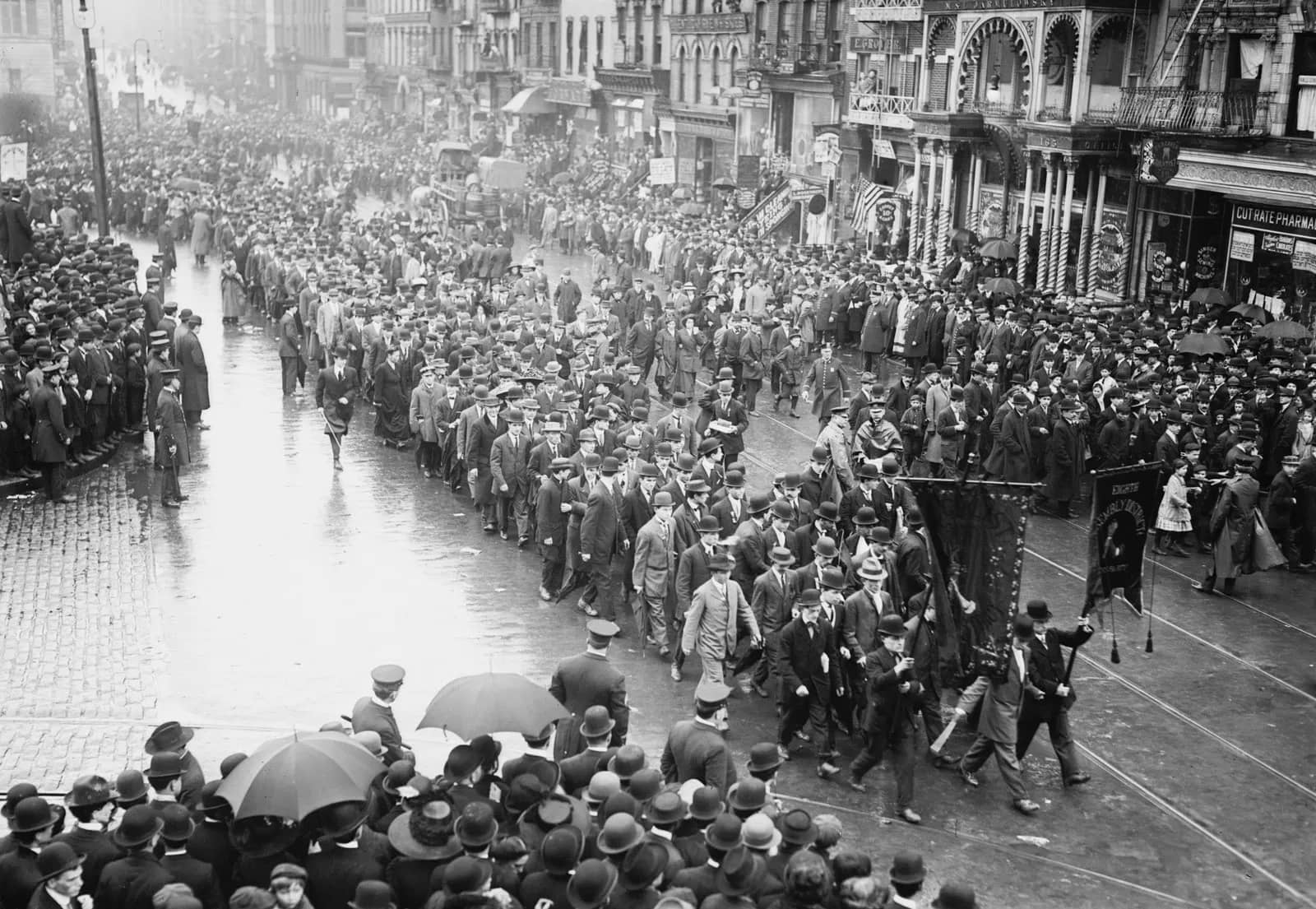
Labor Day was yesterday. Some of us got the day off, and most of us didn’t think much about why.
It’s hard to miss that our system rewards wealth over work. Not by accident, and not because wealthy people are more clever, but because the rules are written that way. If your money comes from doing something, you’re taxed one way. If it comes from having something, you’re taxed another, and the second way is better.
That distinction is older than the holiday.
Labor Day exists because in 1882, somewhere between ten and twenty thousand workers marched through lower Manhattan. They weren’t asking for a barbecue. They were asking to be treated as people whose work mattered in an economy that was deciding it didn’t.
Heather Cox Richardson, a historian at Boston College, points to the New York Times response, printed the next morning. Anyone who works with his brain, who applies accumulated capital to industry, is “just as truly a laboring man as he who toils with his hands.” Watch what that does. It files the thinker and the investor under the same heading, as if they’re doing the same thing.
Those aren’t the same thing, and 144 years later you can still see it in the paychecks. I’m a software engineer. I work with my mind all day, and I’m taxed the same way as the warehouse worker down the road. So is the surgeon, so is the teacher, so is the lawyer. We’re all earners. The line was never brains versus hands. It’s work versus ownership.
Ray Madoff, who teaches tax and estate law at Boston College (apparently where I get all my ideas), argues we don’t have one tax code, we have two. Earners sit inside a tight web of income and payroll taxes that’s nearly impossible to escape. Owners face lower rates that can often be avoided entirely. And it isn’t about hiring better accountants. Those rules simply don’t apply to your kind of income.
Now, someone will say the line is crossable. Build something, sell it, get paid. That’s the American dream, and it does happen.
But it requires having something to sell. Most people work for somebody else, and there’s no exit for that. The teacher can work forty years without a single mistake and nobody is ever going to buy her classroom.
Plenty of earners do own things, of course. A 401k makes you an owner in a small way. But you filled it yourself, out of money you earned, one paycheck at a time, and you still have to show up on Monday. That’s savings, not an exit.
And investment is genuinely useful. Capital moving toward productive things is how a company gets built and how people get hired. That’s the system working.
It’s also the easier side to be on. Money makes more money without anyone lifting a finger, and it’s taxed at a lower rate. Wages take a lifetime of showing up, and get taxed at a higher one. Both things are true at once.
My point is not that owners should have less. It’s that earners and owners should be playing by the same rules.
Labor Day was created by people who saw the rules had tilted and said so out loud. That’s the tradition. Not the day off, the noticing.
So today, a day late, maybe just notice.